
Aging and Dementia
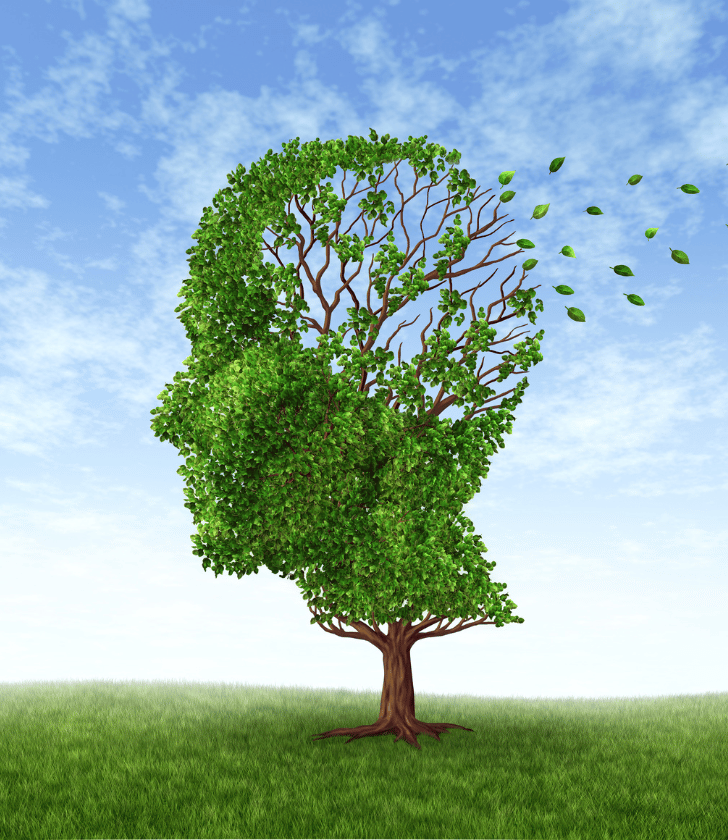
Dementia is not only a memory problem. It also affects speech, thinking, perception, and behavior.
Dementia is a medical condition (a group of symptoms) associated with a progressive decline in brain function. There are many different causes and types of dementia. Alzheimer’s-type dementia is the most common form of dementia in older adults.
Although there is currently no cure for dementia, in some cases an early diagnosis can slow its progression, allowing a person to maintain cognitive and mental function for longer.
An accurate and timely diagnosis helps people with dementia receive appropriate treatment and support. It can also help the person diagnosed with dementia and their loved ones plan for the future.
One More Step Toward Dignified Aging
It is normal for your memory to be affected by stress, fatigue, certain illnesses, and medications.
As we age, changes occur in all parts of the body, including the brain. As a result, some people notice that their memory has declined, and they have difficulty learning new information and recalling recent events.
These are usually signs of mild forgetfulness rather than a serious memory problem.
However, if you find yourself becoming increasingly forgetful especially if you are over 65 and if it significantly interferes with your daily life or causes you considerable distress, it is advisable to seek medical attention.

Main Objectives
Expert Assessment of International Experience
Development of the Conceptual Framework for the National Program
Raising Public Awareness
Enhancing the Qualifications of Physicians
Frequently Asked Questions
Here you can find answers to the most common questions about dementia, its signs, diagnosis, and care. If you cannot find your question on the list, write to us — our team is ready to help.
What is Dementia?
Dementia is a progressive impairment of brain function that affects memory, thinking, behavior, and daily life. It is not a normal part of aging. It is a disease that can be managed with the right support.
How Do I Know if My Loved One Has Dementia?
Early signs include: frequent forgetfulness, disorientation, difficulty finding words, mood changes, and trouble performing everyday tasks. If you notice these symptoms, consult a doctor as soon as possible.
Is Accurate Diagnosis of Dementia Possible in Georgia?
Diagnosis is possible, although the system is still in the process of development. Strengthening specialized medical personnel and raising awareness is one of the main objectives of this project.
What Support Is Available for Families?
Currently, the family support system in Georgia is limited. The project aims to fill this gap through information, training, and government programs.
How Can I Participate or Support the Project?
You can spread information, take part in educational events, or contact the project team. Every voice and every step helps bring dementia out of the shadows.
Stay Updated with the Latest News


